

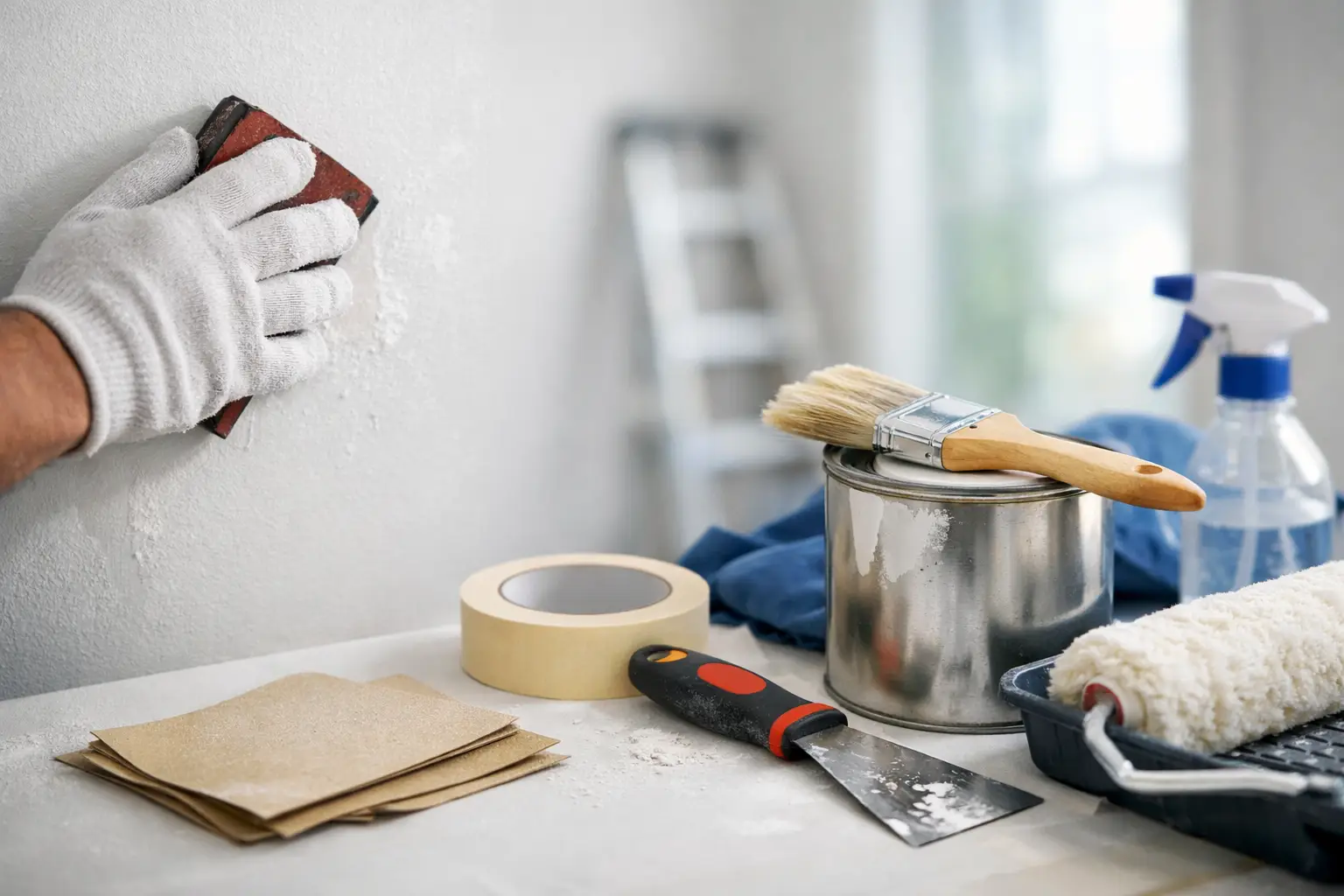
A freshly painted wall can look excellent on day one and still disappoint within a season if the surface beneath it was not properly dealt with. Paint preparation is the work that determines whether a finish stays smooth, clean and protective, or starts peeling, blistering and showing every old imperfection underneath.
For homes and properties around the Northern Rivers, preparation deserves particular care. Coastal air, strong sun, rain, humidity and salt carried inland can all affect exterior coatings and exposed timber. Inside, everyday issues such as moisture, mould, scuffs and movement cracks can also show through a new coat when they are simply painted over.
Why paint preparation matters more than the final coat
Paint is only as sound as the surface it is applied to. A quality coating needs a clean, dry and stable base so it can bond as intended. If dirt, chalky residue, loose paint or moisture is left in place, the new coating may adhere to the problem rather than the building surface itself.
This is why rushed jobs often fail early. Applying paint can be the visible part of the work, but cleaning, repairing, sanding and priming are usually where the lasting result is won. Proper preparation also gives a painter the chance to identify issues that should not be hidden, such as deteriorated timber, failed sealant, water staining or rust around metal fixtures.
The right approach depends on the material and its condition. A sound, previously painted plaster wall requires a different process from weathered deck boards, a rendered exterior or old timber window frames. Treating every surface the same may save time initially, but it rarely delivers the same standard of finish.
Paint preparation begins with a close inspection
Before any painting starts, assess the surface in good light. On interiors, look for cracks, dents, nail holes, greasy marks, mould, water stains and areas where old paint is flaking. Exterior inspections should also consider sun exposure, drainage, salt residue, mildew, rust, failing caulking and the condition of timber joints and fixings.
A water stain on a ceiling, for example, is not just a painting problem. The source of the leak or condensation should be addressed first. Otherwise, staining can return through a new finish and moisture may continue to damage the substrate.
On older properties, previous paint systems can create extra variables. Some surfaces have many layers of coating, while others have been patched with different products over time. A careful inspection helps determine whether local repairs are appropriate or whether a larger area needs to be stripped back, sealed or stabilised.
For strata and commercial properties, this early assessment is also useful for planning access and limiting disruption. Work around shared entries, car parks, offices or occupied units needs to be organised carefully, particularly where preparation creates dust, requires washing or involves drying time.
Clean surfaces give paint something sound to grip
Cleaning is not a cosmetic step. It removes contaminants that interfere with adhesion, including dust, hand marks, smoke residue, cooking oils, mould spores and loose chalking from old exterior paint.
Interior walls may need washing before they are sanded and repaired, especially in kitchens, hallways and high-touch areas. Mould should be treated appropriately rather than covered with paint. Once the affected surface is clean and dry, it can be assessed for the right sealer and topcoat system.
Outside, washing removes accumulated grime, salt and organic growth. This is particularly relevant on homes near Byron Bay, Ballina and other coastal parts of the region, where weather exposure can be demanding. Surfaces must then be allowed sufficient time to dry. Painting damp masonry or timber can trap moisture and cause adhesion problems later.
High-pressure washing has its place, but it is not suitable for every job or every surface. Used carelessly, it can force water into gaps, damage soft timber and lift already weakened paint. The method needs to suit the building material and its condition.
Repair, sand and feather the surface
Once clean, the surface can be repaired. Small holes, dents and fine cracks in interior plaster are filled and sanded so they disappear into the finished wall. Larger cracks may need more investigation, particularly if they indicate movement or an underlying issue. Simply filling a recurring crack may improve appearance temporarily, but it may not be a permanent answer.
Loose or peeling paint needs to be removed back to a firm edge. The surrounding coating is then feathered by sanding, which softens the transition between the old paint and the exposed area. Without this step, the outline of a repair can remain visible after painting, especially across walls with angled light or exterior cladding in full sun.
Sanding also creates an even key for new paint where existing coatings are glossy or very smooth. The goal is not to sand every surface unnecessarily. It is to remove defects, level repairs and create a stable base without damaging sound areas.
Timber requires added attention. Splits, raised grain, worn edges and exposed end grain can all allow water into the material. Damaged boards or sections affected by rot should be dealt with before coating. A deck or exterior timber feature may look refreshed after a quick coat, but it will not be properly protected if the timber has not been cleaned, prepared and allowed to dry.
Prime and seal where the surface calls for it
Primer is not always required across an entire already-painted surface, but it is essential in many situations. Bare timber, patched plaster, exposed metal, stained areas and repairs often need a suitable primer or sealer before finishing coats are applied.
The purpose is specific: primers help create adhesion, seal porous areas, block certain stains and provide protection appropriate to the material. Using the wrong product, or skipping it where it is needed, can lead to uneven sheen, patchy colour, tannin bleed from timber or premature coating failure.
This is one of the areas where professional judgement matters. A stain-blocking sealer may be required for an old water mark, while bare exterior timber may need a product designed to manage its natural movement and exposure. Metal may require treatment for rust before a protective coating system can be applied.
Preparation also includes careful caulking of appropriate gaps and joints. Flexible sealant can improve weather protection and create cleaner lines around trims, windows and joinery. It should not be used to disguise major movement, failed timber or areas that need a proper repair first.
Protect the property while the work is underway
Good paint preparation includes looking after everything that is not being painted. Floors, furniture, gardens, paths, windows and fittings should be protected before washing, sanding or coating begins. Masking needs to be neat and purposeful, not used as a substitute for careful cutting-in.
Dust control matters indoors, particularly in occupied homes, offices and strata buildings. Preparation can be disruptive if it is poorly managed, so work areas should be kept orderly and rubbish removed progressively. Clear communication about access, drying times and any areas that need to remain clear helps owners and occupants plan around the work.
At North Coast Painting Services, preparation is treated as part of the finished result, not an optional extra before the paint goes on. That unhurried approach is especially valuable when a property needs to look its best for sale, before moving in, or after years of weather exposure.
When a surface needs more than preparation
There are times when paint cannot solve the underlying problem. Persistent dampness, rotten timber, major cracking, failed render and corroded metal may require repair by the appropriate trade before painting can proceed. Covering these problems can make them less visible for a short time, but it does not protect the property.
This can feel like a delay, yet it is usually the sensible course. Addressing the cause first gives the new coating a fair chance to perform and avoids repeating work that could have been prevented.
A durable paint finish starts well before the first coat is opened. When surfaces are clean, dry, repaired and properly primed, the final colour has the best chance to look sharp and protect the building for years to come.