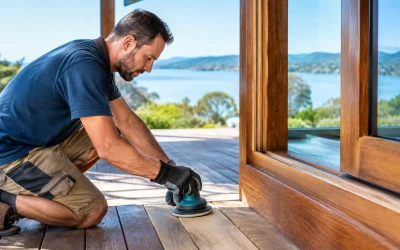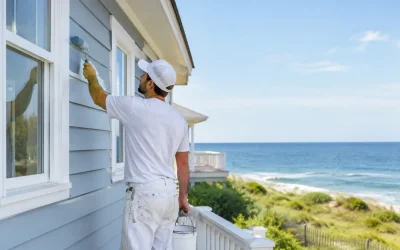


Salt residue on windows, sun-baked western walls and driving rain are part of life near the coast. They are also why the answer to how often to repaint a coastal house is rarely a simple number. A well-painted home in a protected street can hold its finish for years, while a property exposed to sea spray and full afternoon sun may need attention much sooner.
For homes across Byron Bay, Ballina, Lennox Head and the wider Northern Rivers, exterior painting is more than a presentation job. It is a protective layer between your building materials and the conditions that wear them down every day. The right time to repaint is when that layer is still doing its job, but before small faults become timber repairs, rust treatment or water damage.
How often to repaint a coastal house
As a practical guide, most coastal homes should be professionally assessed every three to five years, with a full exterior repaint commonly needed every five to seven years. Highly exposed homes may need repainting in as little as three to five years. Houses set back from the ocean, with good eaves and less direct weather exposure, can sometimes go seven to ten years between full repaints.
Timber features often need attention earlier than rendered walls or fibre-cement cladding. Decks, handrails, balustrades, window trims and timber weatherboards take the brunt of sun, rain and moisture movement. Depending on their exposure and finish, these areas may require maintenance every two to four years.
These ranges are useful for planning, but paint age alone should not make the decision. The condition of the existing coating, the quality of the previous preparation and the home’s location all matter. A paint system applied over poorly prepared surfaces can fail early, regardless of how premium the paint was.
Why coastal properties wear faster
The Northern Rivers coast has a combination of conditions that is hard on exterior finishes. Salt in the air settles on painted surfaces and can hold moisture against them. Strong UV light breaks down paint binders, particularly on darker colours and exposed elevations. Seasonal rain, humidity and wind-driven weather then find their way into any weak points.
Mould and mildew are another common issue in shaded or damp areas. They do not always mean the paint has failed, but they should be cleaned and assessed properly. Repainting over biological growth without treating the cause can leave the new finish looking tired far sooner than it should.
The side of the house facing the weather usually tells the real story. A western or eastern wall may fade and chalk before the rest of the property. South-facing areas can hold moisture and develop mould, while eaves, gutters and window sills can reveal early peeling where water has repeatedly tracked across the surface.
The signs that it is time to repaint
A coastal house does not need to be completely peeling before it is repainted. In fact, waiting for widespread failure usually makes the project more involved and more costly. The best time to act is when the existing coating is beginning to lose protection, not when the substrate underneath is already exposed.
Look closely for fading that cannot be restored by washing, a powdery residue on your hand when you touch the wall, cracking, bubbling, flaking or paint lifting around joins and edges. Rust marks around fixings, swollen timber, soft spots and open gaps in exterior sealant also deserve prompt attention.
Peeling paint is an obvious warning, but it is not the only one. When paint loses its sheen and becomes chalky, it is gradually breaking down under UV exposure. This can reduce adhesion for any future coating unless the surface is thoroughly prepared first.
If you are preparing to sell, repainting can also be worthwhile before the finish reaches failure. Fresh, carefully applied exterior paint improves street appeal, but more importantly, it reassures buyers that the property has been looked after. For investment properties and strata buildings, planned maintenance is usually easier to budget for than urgent repairs after a coating system has deteriorated.
Exposure changes the repainting schedule
Two homes on the same street can need very different repainting schedules. The house on a headland or near an open beach faces more wind, salt and weather than a home behind established trees. A property with broad eaves, covered verandahs and well-designed drainage gives its painted surfaces more protection.
Colour choice also plays a part. Very dark colours absorb more heat and can place extra stress on timber and some cladding materials. They can look striking, but they may show fading sooner on sun-exposed walls. Lighter colours are often more forgiving in coastal conditions, although product choice and correct preparation remain more important than colour alone.
Material matters as well. Weatherboards expand and contract, so cracks and failed sealant need regular attention. Masonry and rendered surfaces can develop fine cracking that allows moisture behind the paint film. Metalwork can corrode rapidly once paint is compromised, especially around coastal fixings, gates and balustrades.
Preparation determines how long the next paint job lasts
A lasting repaint starts well before the first coat goes on. Coastal homes need all salt, dirt, chalking and mould removed so the new coating can bond properly. Loose and failing paint must be scraped or sanded back, damaged timber repaired, gaps sealed where appropriate and bare areas primed with the correct product.
This is where shortcuts show up a year or two later. Painting over a chalky wall, applying coatings to damp surfaces or skipping primer on exposed timber may make a property look improved for a short time. It does not provide the durable protection homeowners expect from a professional exterior painting job.
The right paint system also needs to suit the surface. Timber, rendered masonry, fibre cement, steel and previously painted surfaces each have different requirements. A careful assessment identifies what is already on the building, whether it is sound and what preparation is needed before selecting compatible coatings.
Weather timing is equally important on the Northern Rivers. Exterior work needs dry conditions and enough time for coats to cure properly. An unhurried approach allows for washing, drying, repairs and preparation rather than forcing a schedule around unsuitable weather.
A simple maintenance routine between repaints
You can extend the life of an exterior paint finish with regular, gentle maintenance. Washing down walls, eaves and trims once or twice a year removes salt and airborne grime before they build up. Pay particular attention to sheltered corners, areas below rooflines and surfaces close to the ocean.
Keep gutters and downpipes clear, and deal with overflowing water quickly. Trim vegetation away from walls so air can circulate and dampness does not sit against painted surfaces. Check timber decks, rails and exterior joinery after periods of heavy rain, especially where water can pool or where coatings receive direct sun.
A yearly walk around the property is often enough to catch small issues early. Take note of changes around windows, balcony edges, decks and external doors. If one elevation is weathering faster than the others, targeted maintenance may protect the whole paint system and delay a full repaint.
When a professional assessment is worthwhile
If the paint is peeling, the surface feels chalky, there are signs of moisture damage or you are unsure how old the existing coating is, a professional inspection can provide clarity. This is particularly useful for strata committees and owners of larger properties, where a staged maintenance plan can avoid a rushed, disruptive project later.
An experienced local painter will look beyond colour choice. They should assess the condition of the substrate, identify likely causes of paint failure and explain the preparation needed for a reliable result. Clear advice at this stage helps property owners compare quotes on workmanship and scope, rather than price alone.
North Coast Painting Services takes this careful approach across the Northern Rivers, with preparation and detailed finishing planned around the property’s exposure and condition. For a coastal home, repainting at the first signs of decline is not simply about keeping it looking tidy. It is a practical way to protect the building you have invested in, while the job is still straightforward to do well.