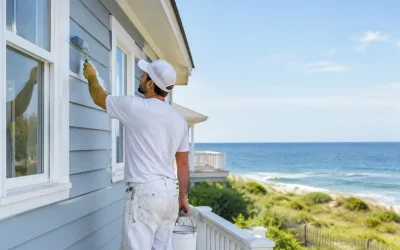

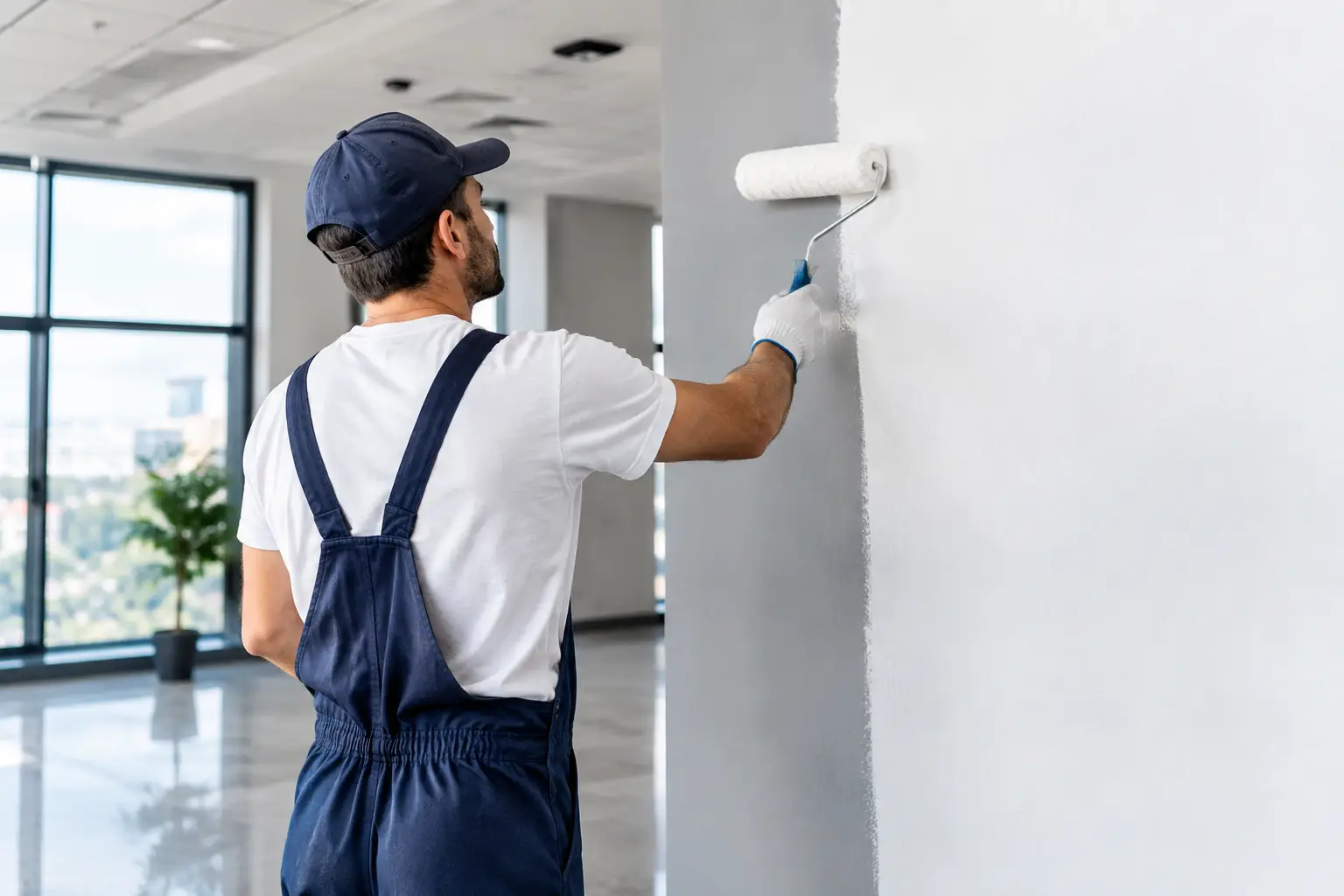
A faded shopfront, peeling fascia or marked reception wall can change how customers, tenants and staff see a business before they have even walked through the door. Knowing when to repaint commercial premises is not simply about keeping a building looking presentable. It is about protecting the surfaces beneath the paint, maintaining a professional standard and organising the work before minor defects become larger repairs.
For commercial property owners, managers and strata committees, the right timing depends on the building’s exposure, the condition of the existing coating and how the space is used. A busy café, coastal retail building, school or professional office will each show wear in different ways. Regular inspections make it easier to plan painting work around operations rather than reacting to damage at the least convenient time.
When to repaint commercial premises: the signs to watch
Paint rarely fails without warning. Some signs are obvious, while others are best identified during a close inspection of exterior walls, ceilings, trims, doors and high-traffic interior areas.
Fading, chalking and loss of colour
Exterior paint that has become noticeably dull or uneven is often nearing the end of its useful life. Strong sun and weather exposure can break down the surface of the coating, leaving a fine powder on the wall when it is touched. This is known as chalking.
Chalking does not always mean the surface needs immediate repainting, but it does mean the coating needs professional assessment and thorough preparation. If a new coat is applied over a poorly prepared chalky surface, adhesion may be compromised. On Northern Rivers properties, sun, salt air and driving rain can make this especially relevant for exposed elevations and coastal buildings.
Peeling, blistering or flaking paint
Peeling paint is a clear sign that action should not be delayed. It may be caused by moisture entering the surface, poor adhesion from an earlier paint job, or repeated expansion and contraction from heat and weather.
The visible peeling is only part of the issue. Before repainting, the cause needs to be addressed. A careful contractor will remove loose material, inspect the substrate, repair damaged areas and make sure the surface is dry and sound before applying new coatings. Covering peeling paint without this preparation may improve the appearance briefly, but it will not create a lasting finish.
Cracks, gaps and failing sealants
Fine cracks in painted surfaces can allow water into timber, render, masonry joints and other building materials. Gaps around windows, doors and penetrations can cause the same problem when sealant has deteriorated.
Not every hairline crack is urgent, and some movement is normal in commercial buildings. However, cracks that are spreading, recurring or associated with staining should be assessed promptly. Repainting is often the right time to carry out minor repairs and resealing, because the work can be completed as part of a properly prepared coating system.
Mould, mildew and persistent staining
Bathrooms, kitchens, shaded walls, covered walkways and poorly ventilated rooms can develop mould or mildew. Exterior staining may also appear where water runs down walls or where vegetation keeps surfaces damp.
Paint alone will not solve a moisture or ventilation problem. The affected areas need to be cleaned and treated correctly, while the source of dampness should be investigated. Once the surface is dry and stable, suitable preparation and paint selection can help restore a clean, serviceable finish.
Scuffs and wear in customer-facing areas
Inside commercial premises, repainting is often driven by presentation rather than complete coating failure. Reception areas, corridors, stairwells, meeting rooms and tenancy entry points can quickly collect scuffs, hand marks and damage from furniture or equipment.
A wall may still be structurally sound, yet look tired enough to affect the impression of the whole property. In these spaces, repainting before wear becomes widespread can be a practical maintenance decision. Durable finishes and colours suited to the level of traffic can also make future cleaning and touch-ups easier.
Consider the building’s purpose, not just its age
There is no fixed number of years that applies to every commercial property. A protected office interior may hold its finish for much longer than a sun-exposed retail façade. Likewise, a building with regular cleaning, good drainage and prompt repairs will generally need less frequent repainting than one where small issues are left unattended.
A useful approach is to assess the building by zones. Exterior walls facing harsh weather may need attention well before sheltered elevations. Entrances and common areas may need a refresh before back-of-house rooms. This allows owners and managers to direct maintenance where it is needed rather than repainting every surface at once.
The existing paint system matters too. Quality coatings applied over carefully prepared surfaces usually perform better over time. But even well-applied paint has a service life, particularly where it is exposed to UV, moisture, salt or heavy daily use.
Plan painting around your operations
Commercial repainting needs to work around people, access and safety. The best time to schedule the job is often before the paint has failed badly, when there is more flexibility to choose a suitable period and stage the work sensibly.
For a retail or hospitality premises, quieter trading periods may be preferable. Offices may choose weekends, holiday periods or a staged approach that keeps key areas available. Schools, strata properties and shared facilities often benefit from planning work during lower-occupancy periods, with clear notice given to staff, tenants and visitors.
Exterior work also relies on suitable weather. A professional painter will consider rain, humidity, temperature and drying times when scheduling. Rushing coatings onto damp surfaces or between poor weather windows can affect the finish and reduce its lifespan. Allowing enough time for preparation, repairs and correct drying is part of protecting the result.
Repainting before a lease, inspection or sale
A change in tenancy, a planned inspection or a property sale can be a sensible trigger for repainting, but the work should not be treated as a last-minute cosmetic fix. A clean, well-finished premises signals care and makes it easier for prospective tenants, customers or buyers to see the building’s potential.
For landlords and property managers, repainting between tenancies can also provide access to areas that are difficult to complete once a business is operating. It is an opportunity to inspect walls, ceilings, trims and external surfaces closely, complete repairs and start the next tenancy with the property in good order.
That said, not every vacancy requires a full repaint. If the coating is sound, a targeted refresh of damaged walls, doors, common areas or external details may be the more appropriate maintenance option. An on-site assessment helps distinguish between a touch-up, a partial repaint and a complete painting program.
Why preparation determines how long the finish lasts
Commercial painting is often judged by the final colour, but the lasting quality of the job is determined well before the top coat goes on. Cleaning, scraping, sanding, filling, sealing and priming are not optional extras when surfaces need them. They are the work that gives fresh paint a proper foundation.
Preparation is particularly important where old paint is loose, surfaces are weathered or repairs have been carried out. Different substrates such as timber, rendered masonry, metal and plasterboard each require the right treatment. Choosing suitable products and applying them under appropriate conditions matters just as much as the final appearance.
A deliberately unhurried approach can reduce disruption over the longer term. It gives repairs, primers and coats the time they need, rather than relying on a quick visual improvement that may not stand up to commercial use or local weather.
Set a regular inspection routine
Rather than waiting for obvious peeling or complaints about appearance, inspect commercial premises at least once a year and after severe weather. Look closely at exterior joins, sun-exposed walls, timber elements, roofs and gutters that may be affecting painted surfaces, and interior areas with heavy traffic or moisture.
Keep a simple record of defects, including photographs and dates. This is helpful for strata committees, managers and owners with several premises, as it makes gradual change easier to identify. It also supports better planning when painting is needed.
If you are unsure whether a surface needs repainting now or can be safely maintained for another season, a professional inspection provides clarity. North Coast Painting Services takes the time to assess the condition of the surface and the preparation required, so commercial owners can make a considered decision rather than a rushed one.
A well-timed repaint should leave more than a fresh appearance. It should give the building renewed protection, help it represent the business well and reduce the chance that small surface issues are allowed to become costly disruptions.