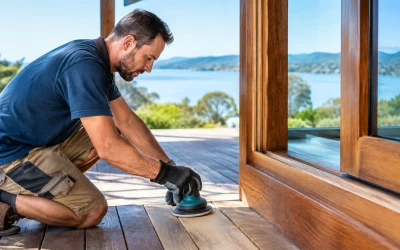


A quality paint job should leave your property better protected, not leave you managing an avoidable problem. Painting insurance coverage matters because the work can involve ladders, scaffolding, surface preparation, access around gardens and common areas, and crews working inside occupied homes or businesses. Before work begins, it is sensible to know that the contractor has appropriate cover in place and that the paperwork matches the job.
For homeowners, strata committees and commercial property managers, insurance is part of choosing a dependable painting contractor. It sits alongside experience, licence requirements, clear communication, careful preparation and a track record of reliable workmanship.
What Painting Insurance Coverage Should Include
The right insurance arrangements depend on the size and nature of the painting project. An interior repaint of a vacant unit does not carry the same risks as exterior work on a multi-level strata building, timber restoration around a pool area, or commercial painting completed while a business remains open.
That said, professional painters should generally be able to provide evidence of current public liability insurance. This is the key cover property owners commonly ask about. It is intended to respond if the painter’s work causes accidental injury to another person or accidental damage to property.
For example, public liability may be relevant if equipment damages a window, paint is spilled on a neighbouring surface, or a member of the public is injured in an area affected by the works. The exact outcome will always depend on the policy wording, circumstances and insurer assessment, but the principle is straightforward: the contractor should have protection for the risks their work creates.
In New South Wales, workers compensation requirements also matter where a painting business employs workers. This cover is different from public liability. It relates to workplace injuries suffered by employees while carrying out their work. A contractor should be able to explain who will be working on site and confirm that appropriate arrangements are in place.
Why Insurance Is More Than a Box to Tick
It can be tempting to treat insurance as a simple yes-or-no question. In practice, the detail matters. A contractor saying they are insured is a good starting point, but it does not tell you whether the policy is current, whether the business named on the certificate is the business you are engaging, or whether the cover is suitable for the work proposed.
This is particularly relevant for exterior painting across the Northern Rivers. Coastal conditions, elevated access, uneven ground and close neighbouring properties can all add complexity to a project. The same applies to strata properties, where painters may be working around residents, visitor parking, shared walkways and landscaped areas.
A professional contractor plans for these conditions before arriving on site. Insurance is one part of that planning. Safe access, site protection, sensible work areas and good housekeeping are equally important. Insurance should never be used as an excuse for careless work. The best outcome is a well-managed project where no incident occurs in the first place.
What to Ask Before You Accept a Quote
You do not need to be an insurance expert to make a sensible check. Ask for a current certificate of currency for public liability insurance and take a moment to read it. The certificate should identify the insured business, the insurer, the policy period and the level of cover.
Check that the policy is current for the period in which your work is expected to take place. If the job is scheduled several months ahead, it is reasonable to confirm the cover again closer to the start date. You can also ask whether the insurance applies to the type of work involved, especially if the project includes difficult access, high work, specialist coatings, deck restoration or work in common areas.
For a strata or commercial project, the committee or property manager may have its own contractor compliance process. This can include collecting insurance certificates, licences, safe work information and details of any subcontractors. It may feel administrative, but it protects everyone involved and helps avoid delays once the project is ready to begin.
It is also worth asking who will actually complete the work. Some painting businesses use subcontractors for parts of a larger project. That is not automatically a concern, but responsibilities should be clear. You want to know that every person on site is properly covered and that one experienced point of contact remains accountable for the finished result.
Understand the Limits of Painting Insurance Coverage
Insurance is valuable, but it is not a guarantee that every concern will be covered. Policies have conditions, exclusions, excesses and limits. A certificate of currency confirms that a policy exists. It does not replace the full policy wording or determine how a future claim would be handled.
This is why workmanship still matters so much. Public liability insurance is generally designed for accidental injury or property damage. It is not the same thing as a promise that paint will last indefinitely, nor does it remove the need for a contractor to prepare surfaces correctly and apply products to manufacturer requirements.
A durable finish begins well before the first coat goes on. It relies on identifying failed coatings, repairing minor surface issues where included in the scope, cleaning thoroughly, sanding where needed, treating mould or stains appropriately and using the right system for the surface and environment. On coastal properties, this attention to preparation is especially important because sun, salt air and moisture place continual pressure on exterior finishes.
A clear written scope helps here. It should set out the areas to be painted, the agreed preparation, products or coating system, access assumptions and any exclusions. If timber has extensive rot, a wall has hidden moisture damage, or a surface has underlying movement, those issues may need separate attention before painting can provide a lasting result. Clear communication early prevents misunderstandings later.
Protecting Your Property During the Work
Good painters do not rely on insurance documents alone. They work carefully around the things that matter to you. Inside a home, that means protecting floors, furnishings and adjoining surfaces, keeping the work area tidy and discussing access before the job starts. Outside, it means taking care around gardens, windows, paving, vehicles and neighbouring boundaries.
For occupied commercial premises, planning is just as important. Work may need to be staged around customers, staff, deliveries or quieter operating hours. In a strata complex, residents need reasonable notice, clear access arrangements and a worksite that is kept orderly. These practical details are often where a professional approach becomes most visible.
As the property owner or manager, you can assist by moving fragile items, clearing agreed work areas and raising access concerns before the start date. If there are alarms, pets, tenants, parking restrictions or sensitive landscaping to consider, let the painter know. Good information helps the team protect the site properly and keep the project moving without unnecessary disruption.
Questions That Build Confidence
The most useful conversations are direct ones. Ask for evidence of current public liability insurance. Ask whether workers compensation arrangements apply to the people who will be on site. Ask who supervises the work, how the property will be protected and what happens if unexpected surface issues are found.
You can also ask how the contractor manages clean-up at the end of each day, particularly on longer projects. This matters for family homes, unit complexes and businesses where people still need to move safely through the property. A clean, organised site is not just a courtesy. It reflects the care being applied to the whole job.
North Coast Painting Services takes a careful, unhurried approach to each project because preparation, protection and detailed finishing cannot be rushed. For property owners, choosing an insured painter with proven local experience provides reassurance, but it should also come with respectful service and clear accountability from the first inspection through to the final clean-up.
The right contractor will not be defensive when you ask about insurance. They will understand that you are protecting a home, an investment or a shared property, and they will provide the information needed for you to proceed with confidence.