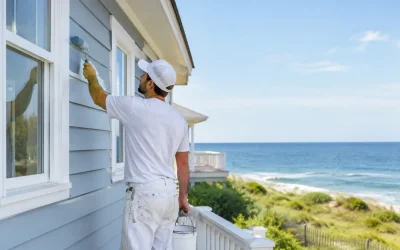


A body corporate painting quote should do more than put a job on paper. For a committee or strata manager, it should make clear what is being painted, how the work will be managed around residents, and what preparation is required for a finish that lasts. When shared property is exposed to Northern Rivers sun, rain and coastal air, those details matter.
Painting an apartment complex, townhouse community or shared commercial building is rarely a simple matter of applying a fresh coat. Access can be limited, residents need notice, surfaces may have weather damage, and each area of the property can have different maintenance needs. A clear, site-specific quote gives the committee a sound basis for making a decision and communicating the planned work to owners.
Why the body corporate painting quote needs detail
A broad description such as ‘paint external building’ leaves too much open to interpretation. Shared properties have many separate elements: building walls, stairwells, balustrades, common entry doors, fences, soffits, carports, bin enclosures and metalwork. Some may be included in the painting programme, while others may not.
The quote should identify the areas inspected and the work proposed for each. This reduces uncertainty before the work begins and helps avoid assumptions about what is covered. It also gives future committees a useful record of the maintenance completed.
Detail is particularly valuable where the building has existing issues. Fading paint, peeling coatings, rust staining, timber movement and minor cracking do not all call for the same response. The right preparation depends on the condition and material of each surface. A contractor who has taken the time to inspect properly can explain what has been found and how it will be addressed.
What to look for in a body corporate painting quote
A useful quote is written in plain language, but it should still show that the contractor understands the full scope. It is not a technical report for its own sake. It is a practical plan for protecting and presenting a shared property.
Clearly defined painting areas
The document should separate internal common areas from external works where relevant. For example, foyers and stairwells have different demands from exterior rendered walls or steel handrails. Defining the areas helps the committee confirm that the approved scope matches the maintenance priorities.
It is also worth checking how high or difficult-to-reach areas will be managed. Multi-level elevations, sloping sites, enclosed courtyards and buildings close to neighbouring properties can all affect access and the way work is carried out. A careful site assessment helps prevent disruption and keeps the programme realistic.
Preparation, not just paint application
The quality of a repaint is largely determined before the final coats are applied. A quote should refer to preparation appropriate to the surfaces being painted. Depending on the building, this may include washing, removing loose or failing coatings, filling small defects, sanding timber, treating rusted metal, sealing bare surfaces or spot-priming repaired areas.
Preparation should not be treated as an optional extra. On exterior strata properties, skipping it can leave new paint unable to bond properly to the surface beneath. The building may look improved for a short time, but defects can return sooner than they should.
This does not mean every imperfection can or should be removed. Older buildings often have movement, ageing materials or previous repairs that need sensible management rather than cosmetic overworking. An experienced painter will distinguish between normal wear, repairs that are within the painting scope, and issues that require attention from another trade before painting proceeds.
Suitable coating systems and colours
A quote should identify the intended coating system in a way the committee can understand. Exterior masonry, timber, metal and previously painted surfaces can each require different products and primers. In coastal locations, the system selected needs to suit ongoing exposure to moisture, heat and salt-laden air.
Colour selection is also a practical decision for body corporate properties. The chosen scheme should work across the building, suit the existing architecture and meet any by-laws or agreed appearance standards. For larger complexes, confirming colours through test patches can be worthwhile. Colours can look very different in full sun, shade and under exterior lighting.
Protection of residents and common property
Painting work happens around people’s homes, vehicles and daily routines. The quote should explain how surrounding areas will be protected and kept orderly during the job. That includes care around paths, gardens, windows, outdoor furniture, parked cars and common access points.
For occupied buildings, communication is part of good workmanship. Residents may need notice before balconies, walkways, entries or car spaces are affected. A well-organised contractor will work with the strata manager or committee to establish a sensible sequence, provide updates where needed and keep access available wherever possible.
There will sometimes be unavoidable inconvenience, especially when external access equipment or wet paint affects a particular area. The aim is not to pretend otherwise. It is to plan the work carefully, give clear notice and minimise disruption through reliable scheduling and clean site practices.
Workmanship, insurance and accountability
A body corporate is responsible for shared assets, so it should engage a contractor who can stand behind their work. The quote process is a good time to confirm that the painter is appropriately licensed and insured, and that the business has experience managing properties of a similar type.
It also helps to know who will be responsible on site. A direct-service painting business led by an experienced tradesperson offers a clear point of contact throughout the project. At North Coast Painting Services, Peter Colman brings more than 40 years of hands-on trade experience to the assessment and delivery of painting work, with an emphasis on thorough preparation and dependable communication.
Questions worth resolving before approval
Committees do not need to become painting experts, but a few direct questions can make the approval process far more straightforward. Ask whether all visible defects noted at inspection are included in the scope, how access will be arranged, and how residents will be notified.
It is also sensible to clarify whether the project will be completed in stages, especially for larger properties. Staging can reduce disruption and allow particular elevations or common areas to remain accessible while work continues elsewhere. The best approach depends on the layout, the number of residents and the condition of the building.
If the building has water ingress, damaged render, extensive rot, structural cracking or failed membranes, ask how those issues affect the painting work. Paint is a protective finish, not a cure for an underlying building defect. Addressing the cause first gives the new coating system its best chance of performing as intended.
Preparing the committee and residents for the work
Once the scope is agreed, good preparation from the body corporate helps the project run smoothly. Residents should receive practical information early: anticipated start timing, areas that may be temporarily restricted, instructions about moving balcony items or vehicles, and a contact person for questions.
The committee can also help by confirming approvals, access arrangements and colour decisions before the painter is due to start. Delays often arise not from the painting itself, but from unresolved access, late changes or uncertainty over responsibilities. Clear decisions at the outset protect the programme and reduce inconvenience for everyone.
For exterior maintenance, timing should take local conditions into account. Weather can affect preparation and coating application, particularly during wet periods. A contractor who takes an unhurried, professional approach will work around suitable conditions rather than forcing a finish when the surface or weather is not right.
A quote is the start of a well-managed project
The strongest body corporate painting quote is one that reflects a genuine inspection, defines the work clearly and shows respect for the people living or working on the property. It gives a committee confidence that the contractor has considered the surfaces, access, preparation and practical realities of the site.
When the scope is clear from the beginning, the painting project is easier to approve, easier to communicate and more likely to deliver the long-lasting finish the property deserves.