

A fresh coastal paint job can look excellent on day one, then begin to lose its finish far sooner than expected. Around Byron Bay and the Northern Rivers, the best paint for salty air is not simply the most expensive tin on the shelf. It is a suitable exterior coating system, applied over properly prepared surfaces, with enough flexibility and weather resistance to handle salt, moisture, heat and strong UV exposure.
Salt air affects more than beachfront homes. Properties in Lennox Head, Ballina, Ocean Shores, Bangalow and surrounding areas can all be exposed to airborne salt, particularly during onshore winds and wet weather. The closer a property is to the coast, and the more exposed it is, the more important it becomes to choose paint and preparation methods that suit the conditions.
Why salty air is hard on exterior paint
Salt deposits settle onto walls, gutters, timber trims, metal railings and window frames. Once mixed with moisture, that salt can hold water against the surface and work its way into small breaks in old paint. The result may be blistering, peeling, staining, chalking or corrosion beneath the coating.
Northern Rivers homes also deal with long periods of sun, heavy rain, humidity and occasional wind-driven storms. These conditions cause building materials to expand and contract. A coating that is too rigid can crack. A paint film that is not properly bonded can lift at the edges, allowing moisture behind it.
This is why a good-looking paint job is not always a long-lasting one. Paint is the visible finish, but the condition of the substrate and the quality of preparation determine how well that finish performs.
What is the best paint for salty air?
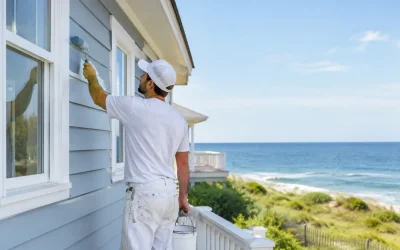
For most exterior walls in coastal NSW, a premium exterior acrylic paint is usually the right choice. Quality acrylics are designed to cope with UV exposure, rain and normal building movement. They retain colour better than lower-grade products, are less likely to become brittle, and are generally easier to maintain over time.
The right product still depends on the surface. Masonry, weatherboards, fibre cement, rendered walls, timber, galvanised steel and previously painted surfaces each need a compatible coating system. There is no one paint that performs best on every part of a coastal property.
For rendered walls, brick and fibre cement
A high-quality exterior acrylic formulated for masonry is generally a reliable option. It should provide strong weather protection while allowing the wall to release normal levels of moisture vapour. On new or bare masonry, the correct sealer or primer is essential. Painting directly onto a dusty, chalky or highly porous surface can lead to uneven absorption and poor adhesion.
Hairline cracks also need attention before painting. A flexible exterior coating can bridge very fine movement, but larger cracks need proper repair rather than a thicker coat of paint over the top.
For timber cladding, fascias and trims
Timber needs a coating system that can move with seasonal changes without splitting or peeling. Premium exterior acrylic paint is often a sound option for painted timber, provided the surface is dry, sound and correctly primed.
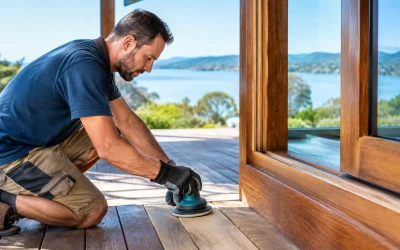
Any bare timber, exposed end grain, failed joints or soft sections should be dealt with before painting begins. Salt air and moisture readily enter through these vulnerable points. On decks and timber restoration work, the product choice is different again. Decking oils and stains need to be selected for the timber species, level of exposure and maintenance commitment, rather than treated like wall paint.
For metal, including railings and steelwork
Metal is where salt exposure can do the most hidden damage. If there is rust, bubbling paint or corrosion around fixings, simply recoating the area will not stop the problem. Loose paint and rust need to be removed, the surface cleaned and treated as required, then primed with a suitable anti-corrosive metal primer before topcoats are applied.
Galvanised surfaces can be especially unforgiving if they are not prepared correctly. A compatible primer gives the topcoat something secure to bond to. Skipping this stage may save time at first, but it often leads to premature coating failure.
The paint system matters more than the label
Coastal homeowners are sometimes encouraged to buy a specialist ‘marine’ paint for every outside surface. In most residential situations, that is not necessary. Marine coatings are designed for particular environments and substrates, and they are not automatically the best solution for weatherboards, rendered walls or fascia boards.
A better approach is to use a complete system suited to the surface: thorough cleaning, repair work, the right primer or sealer where required, and two full topcoats of a quality exterior paint. Products should be compatible with each other and with the existing coating wherever possible.
The trade-off is that better preparation takes longer and quality coatings cost more than budget alternatives. However, a coating system that lasts well is usually better value than repainting failed areas after only a few seasons.
Preparation is coastal protection
No exterior paint can reliably stick to salt, mould, chalky residue or loose old coatings. Before painting a coastal property, surfaces need careful assessment and cleaning. This may involve washing down salt residue, treating mould, scraping peeling sections, sanding rough edges, filling gaps and repairs, and allowing surfaces to dry properly.
The drying step matters. Painting over damp timber, masonry or render can trap moisture beneath the new coating. In humid coastal conditions, this can contribute to blistering and peeling. A professional painter plans work around the weather, surface condition and drying times rather than rushing to get paint on the wall.
Preparation also identifies issues that paint cannot solve alone, such as leaking gutters, failed flashing, cracked render, deteriorated sealant or timber rot. These problems should be repaired before the painting work begins. Otherwise, water will continue to attack the surface from behind or above.
Colour choice affects how the finish performs
Colour is not only a design decision. Dark colours absorb more heat than lighter colours, particularly on exposed timber, metal and fibre cement. That extra heat can increase movement in the substrate and place more stress on the paint film.
This does not mean dark colours should be avoided altogether. They can look excellent and suit many contemporary coastal homes. It does mean they should be chosen with care, especially on sun-facing elevations. A suitable paint formulation, sound preparation and realistic maintenance expectations become even more important with deep colours.
Lighter colours are often more forgiving in hard sun and can help reduce visible fading. They may also show salt spray less dramatically between washes, though every exterior surface still benefits from regular cleaning.
How to make exterior paint last longer near the coast
Even the best coating needs some care. Salt should not be allowed to build up year after year, particularly on exposed sides of the home, metal features and areas beneath eaves where rain does not naturally wash surfaces clean. A gentle fresh-water wash can remove salt and grime before they have time to affect the coating.
Check painted surfaces after wet seasons and storms. Look for cracking around joints, peeling paint on timber edges, bubbling on metal, mould growth and damaged sealant. Small repairs carried out early are usually straightforward. Left unattended, they can turn into larger preparation and repair work at the next repaint.
For strata properties and commercial buildings, planned maintenance is especially useful. Regular inspections help committees and property managers budget for repainting before coatings break down across multiple units or common areas.
When professional advice is worth it
Choosing paint from a colour chart is easy. Assessing an older coastal exterior is more involved. The existing paint may be oil-based or acrylic, the substrate may have hidden moisture issues, and surfaces on the same building may require different primers and finishes.
An experienced local painter can assess what is already on the property, identify areas needing repair and recommend a practical coating system for the level of exposure. At North Coast Painting Services, the focus is on careful preparation and a durable finish rather than a rushed coat that looks good only briefly.
Before committing to an exterior repaint, ask what preparation is included, whether bare areas will be primed, how mould and salt residue will be treated, and how many finish coats will be applied. Clear answers to these questions help protect both the appearance and the long-term value of a coastal property.
A well-chosen paint system will not remove the challenges of coastal living, but it can give your home a far stronger defence against them. Start with the condition of the surface, allow time for proper preparation, and choose coatings made to stand up to the Northern Rivers weather.