

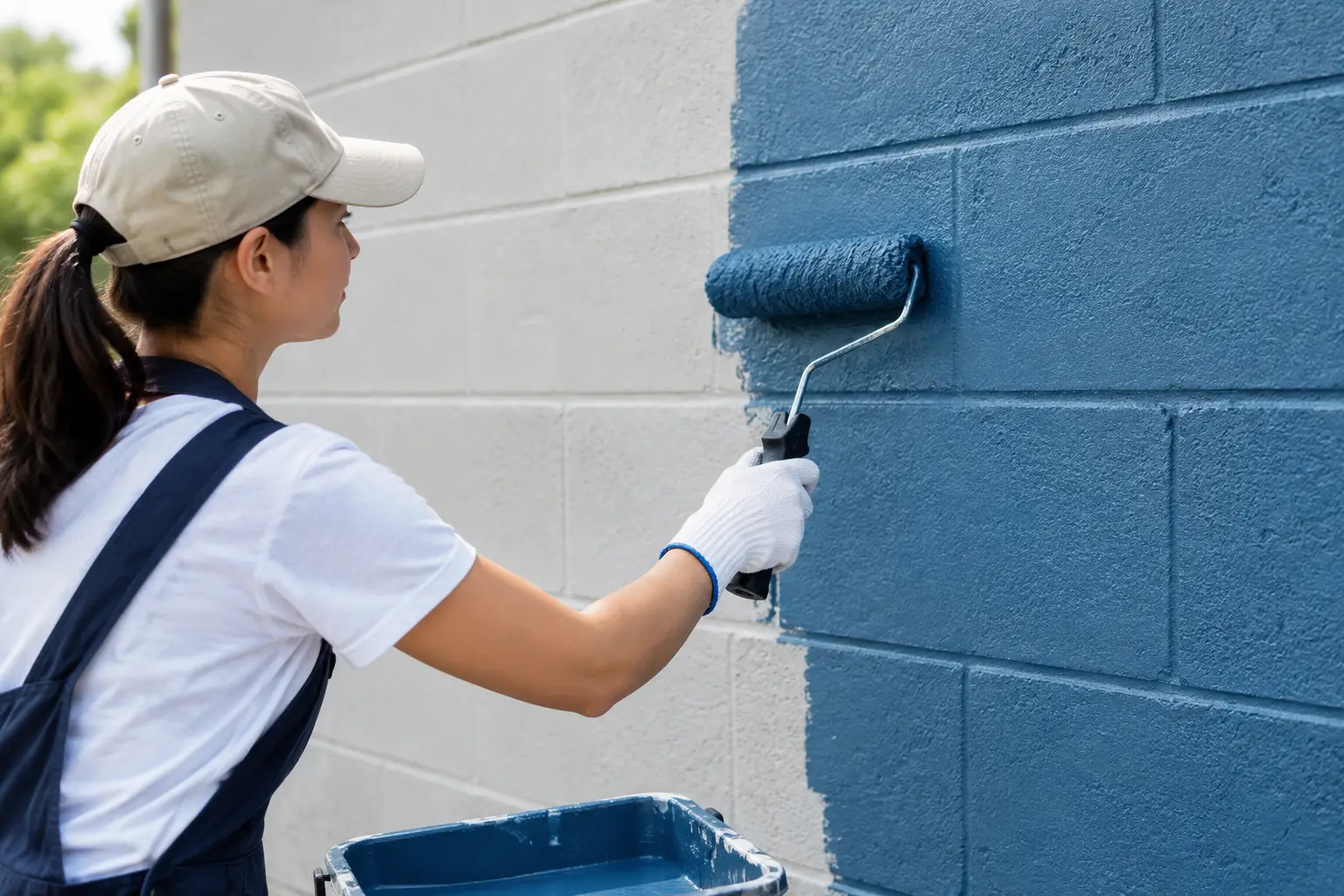
Repainting a unit complex is not simply a larger version of painting a house. A good guide repainting unit blocks starts with the shared responsibility involved: protecting the building, respecting residents’ routines and delivering a consistent finish that will stand up to years of use and coastal weather.
For strata committees and body corporate managers, the best outcome comes from clear planning before work begins. The paint system matters, but so do access, preparation, communication and the contractor’s ability to keep the site orderly. When these details are managed properly, repainting can refresh the property’s appearance while helping protect its long-term condition.
Start With a Proper Assessment of the Building
Every unit block has its own challenges. Some have rendered external walls exposed to salt air and driving rain. Others have timber trim, metal balustrades, concrete walkways, stairwells or enclosed common areas that have taken years of knocks and scuffs. A repainting project should begin with a close inspection of each surface rather than a broad assumption that every area needs the same treatment.
The assessment should identify peeling paint, chalking surfaces, cracks, water staining, rust, mould, failed sealant and damaged timber. These issues are not cosmetic details to paint over. They can point to moisture entry, movement in the building, poor drainage or previous coating failure. Painting may be part of the solution, but a quality contractor will distinguish between a paint problem and a building repair that needs attention first.
It is also worth considering which areas are included in the scope. External elevations, eaves, gutters, fences, foyers, hallways, stairwells, car parks and shared amenities can all have different maintenance needs. Clearly defining these areas early helps the committee make informed decisions and avoids confusion once work is underway.
Plan the Repainting of Unit Blocks Around Residents
Unlike a vacant commercial building, a unit complex remains a lived-in environment while work is happening. Residents need practical notice about where painters will be working, whether access to balconies or windows will be affected, and when vehicles may need to be moved from particular areas.
A well-managed project allows for this without making the site feel like a building zone for weeks on end. Notices should be clear and provided with enough lead time. If painters need access to private courtyards, balconies or entryways, arrangements should be respectful and specific. Residents are more likely to cooperate when they understand what is happening and why.
The work programme should also account for high-traffic areas. Stairwells, walkways and entrances cannot always be closed off for long periods, so the job may need to be completed in manageable stages. This is where reliable scheduling and experienced site management make a real difference. The aim is to maintain safe access while giving each section enough time for proper preparation, application and drying.
Access and safety need careful coordination
Ladders may be suitable for limited low-level work, but larger or higher buildings often require scaffolding, elevated work platforms or other access equipment. The right method depends on the building layout, surrounding space, ground conditions and the work required.
Access planning should protect residents, visitors, vehicles and landscaped areas. It should also allow painters to carry out preparation and finishing work safely, rather than reaching awkwardly or rushing difficult sections. For occupied properties, attention to drop sheets, barriers, signage and daily clean-up is not an extra. It is part of professional workmanship.
Preparation Determines How Long the Finish Lasts
A fresh coat can look impressive on day one, but its durability depends on what happens before the first coat is applied. This is particularly true across the Northern Rivers, where strong sun, humidity, rain and coastal exposure can place constant pressure on exterior coatings.
Preparation may involve washing down surfaces to remove dirt, salt residue, mould and chalking paint. Loose or flaking coatings need to be removed, while sound surfaces may be sanded to create a stable base for the next coat. Cracks and gaps should be filled or sealed with suitable products, and bare timber or metal must be primed correctly before top coats are applied.
On rendered walls, small cracks can be common, but they should not be treated as all the same. Some are minor surface cracks, while others may indicate movement or water-related damage. Similarly, rust around metal railings, fixings or balustrades needs to be fully prepared and treated. Applying paint over active corrosion only delays the problem.
Internal common areas need the same care, even though they are not exposed to weather. Entry foyers, corridors and stairwells often collect marks from bags, prams, furniture moves and daily foot traffic. Thorough cleaning, patching and sanding create a more even result, while the right coating makes ongoing maintenance easier.
Choose Colours and Coatings for the Whole Property
Colour selection for a unit block should balance appearance with practical maintenance. A complex may need to retain an established colour scheme, meet strata by-laws or suit surrounding buildings. Where a change is being considered, sample areas are useful. Colours can look very different across a sunlit external wall, a shaded entry and an enclosed hallway.
Lighter exterior colours can help reduce heat absorption, but very pale finishes may show dirt more readily in exposed locations. Darker colours can create a strong contemporary look, though they may show fading or highlight imperfections on large walls. The right choice depends on the building style, orientation, landscaping and the level of ongoing maintenance the owners corporation is prepared to undertake.
Coating selection should be based on the surface and conditions, not just the desired sheen. Exterior masonry, timber, metal and previously painted substrates may each require a different system. In common interiors, washable finishes are often sensible for areas prone to contact, while ceilings and low-traffic spaces may call for a different finish altogether.
A consistent palette across walls, trim, doors, railings and shared spaces helps the property feel cared for. It can also make future maintenance simpler, provided paint records are kept. Committees should retain details of colours, products and areas painted for future reference.
Keep Weather and Timing in Perspective
Weather affects more than exterior work. High humidity can slow drying, rain can interrupt surface preparation, and hot conditions can affect application on exposed elevations. A contractor should monitor conditions and adjust the programme where needed rather than applying coatings outside suitable conditions simply to stay on a timetable.
This may mean completing one elevation before another, moving to sheltered areas during wet periods or allowing additional drying time after washing. It can feel slower in the moment, but it is preferable to risking poor adhesion, uneven finishes or premature coating failure.
For larger complexes, timing can also be coordinated around holidays, busy letting periods, planned maintenance or major resident events. The ideal schedule is one that gives the painters reasonable access and gives residents fair notice, without compromising the quality of the work.
What Good Project Management Looks Like
Repainting unit blocks involves many moving parts, and clear communication keeps them under control. The committee or strata manager should know who the main contact is, what work is planned each week and whether any site conditions require a decision.
A dependable painting team will protect adjacent surfaces, keep materials and equipment organised, and leave common areas tidy at the end of the day. Any unexpected issue, such as hidden timber damage or widespread coating failure, should be raised early and explained plainly. Surprises can occur on older buildings, but they should never be ignored or covered up.
It is also sensible to arrange a final walk-through before the project is signed off. This gives the committee an opportunity to inspect key areas, identify any touch-ups and confirm that shared spaces, access points and grounds have been left clean. Careful finishing around doors, window frames, handrails and edges is often what separates an adequate job from a result that genuinely lifts the property.
A Repainting Plan That Protects the Property
The value of a well-planned repaint is not limited to a cleaner, more appealing façade. It supports the building’s presentation, helps protect exposed surfaces and gives residents confidence that their shared asset is being looked after with care.
For committees across Byron Bay and the Northern Rivers, choosing an experienced local painting contractor means choosing someone who understands that preparation, patience and respectful communication matter as much as the final coat. North Coast Painting Services approaches strata work with that same practical focus: assess the building properly, prepare it carefully and leave it with a finish built to last.
The most helpful next step is to walk the property with fresh eyes. Look beyond faded walls to the small signs of wear around joints, railings, timber and common areas. Addressing those details before they become larger repairs is often the best way to keep a unit block looking well maintained and functioning as it should.