

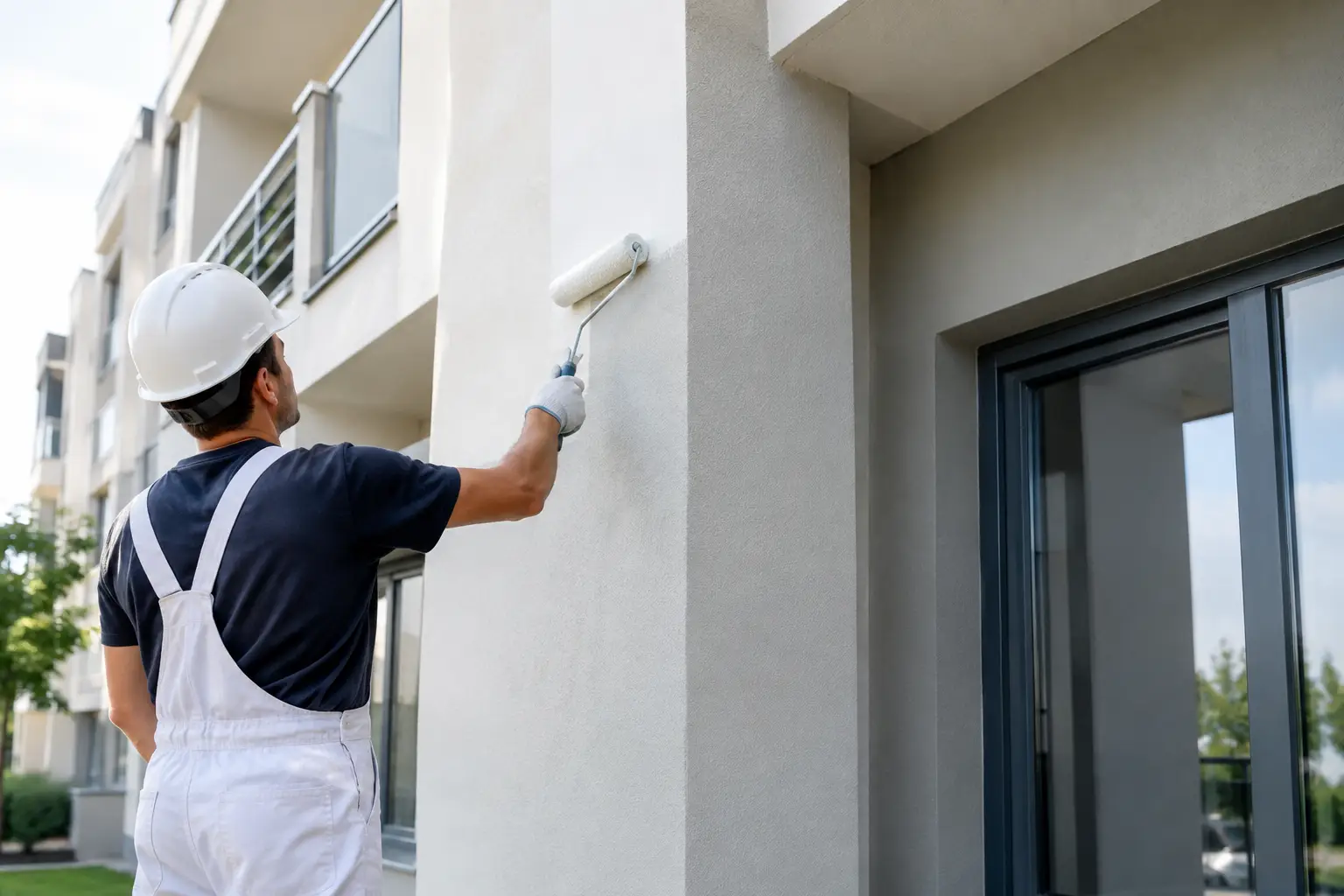
A faded façade, peeling balustrades or tired entry areas affect more than first impressions. They can leave residents questioning whether common property is being properly cared for. Professional strata painting gives committees and body corporate managers a practical way to protect the building, improve presentation and keep maintenance from becoming a larger issue.
For apartment buildings, townhouses and unit complexes, painting is rarely as simple as choosing a new colour and arranging access. The work needs clear planning, careful preparation and considerate communication with the people who live there. A durable result depends on all three.
Why strata painting needs a different approach
Strata properties have shared spaces, multiple stakeholders and more moving parts than a typical house painting project. A committee may be responsible for exterior walls, stairwells, car parks, fencing, handrails, eaves and entryways, while residents need to be informed about how the work may affect access, parking or daily routines.
The painter must also work around different building materials and conditions. One complex may have rendered walls, timber trim and metal balustrades. Another may include masonry, fibre-cement cladding, concrete paths and older painted surfaces with several previous coatings. Each surface needs to be assessed before work begins, rather than treated as though one preparation method suits every area.
For Northern Rivers properties, coastal moisture, salt air, heavy rain and strong sun add to the challenge. These conditions can break down coatings faster, particularly on exposed elevations and metalwork. Thorough preparation and suitable coating systems are what help a repaint last well in local conditions.
Start with a clear scope of work
Good painting projects are easier to manage when everyone understands what is included from the outset. For strata committees, that means identifying the common property areas to be painted, the condition of each surface and any repairs needed before coating begins.
A proper inspection should look beyond obvious peeling paint. Cracks in render, failed sealant around windows, water staining, rust on metal railings, rotted timber and chalky paint all affect the result. Painting over these problems may improve the appearance for a short time, but it will not address the cause or provide a sound base for fresh coatings.
It also helps to decide whether the project is best completed in stages. A larger complex may be easier to manage by dividing the work into logical sections, such as exterior elevations first, followed by communal corridors and entry areas. This can reduce disruption while allowing the committee to maintain a consistent finish across the property.
Common property and private areas
The boundaries between common property and individual lots should be confirmed before work is scheduled. Window frames, balconies, courtyard fencing and front doors can vary between strata plans. Clear direction prevents confusion for residents and ensures the painting team is working only where approval has been given.
Where an owner has made changes to a private area that adjoins common property, it is worth discussing this early. A consistent approach to colours, edges and finishes makes the completed building look considered rather than patched together.
Preparation is where long-lasting results begin
The visible topcoat is only as reliable as the surface beneath it. This is particularly true for strata exteriors, where weather exposure is ongoing and previous maintenance may have been inconsistent.
Preparation may include washing down surfaces, removing mould and surface contaminants, scraping loose or flaking paint, sanding rough edges, filling cracks, sealing bare areas and treating corrosion on metal. Timber may need repairs, sanding and priming before it can be coated properly. Rendered or masonry surfaces may require attention to cracks and areas affected by moisture before painting can proceed.
This stage can look slow from a distance, but it is not time wasted. Rushed preparation is one of the most common reasons paint fails early. Taking the time to create a clean, stable surface allows coatings to bond as intended and gives the finished work a more even appearance.
For properties near the coast, washing and treating salt-affected areas is especially worthwhile. Salt residue can interfere with adhesion, while moisture trapped behind compromised coatings can lead to blistering and peeling. The right process depends on the building and its exposure, but the principle remains the same: deal with the surface condition before applying paint.
Keep residents informed and disruption manageable
Residents are generally accommodating when they know what is happening and when. Clear communication helps avoid unnecessary frustration, particularly where accessways, parking areas, balconies or shared entrances are involved.
Before work begins, residents should receive practical information about the project schedule, areas being painted and any temporary access restrictions. If painters need access to balconies or windows, arrangements should be made respectfully and with reasonable notice. Work areas should be kept tidy, with equipment positioned safely and pathways maintained wherever possible.
Weather also needs to be considered. Exterior painting cannot be rushed through rain, excessive wind or unsuitable drying conditions simply to meet a date on the calendar. A contractor who monitors conditions and adjusts the sequence of work is protecting the quality of the finish, not delaying the job without reason.
For busy complexes, a reliable daily routine makes a real difference. Residents notice when tradespeople arrive as expected, protect surrounding areas, clean up at the end of the day and treat the site with care. Those details build confidence throughout the project.
Choosing colours and finishes for a shared building
Colour decisions often involve more than personal preference. The chosen scheme needs to suit the building style, surrounding environment and any existing strata requirements. It should also be practical for the level of exposure each area receives.
Lighter colours can help reduce heat absorption on broad external walls, while darker trims may show fading or salt marks more readily in exposed locations. High-traffic corridors and stairwells may benefit from finishes that are easier to clean and touch up. Handrails, gates and metalwork require coatings suited to their material and level of wear.
Consistency matters. A well-chosen palette can make an older building appear cleaner and more cohesive, while mismatched repairs and unplanned colour changes can make common areas look neglected. If the complex has established colours, a repaint is also a good opportunity to document them clearly for future maintenance.
Plan maintenance before the paint begins to fade
A newly painted complex should not be left untouched until the next major repaint. Regular visual checks can identify small issues before they become widespread. Look for cracked sealant, damaged coatings, rust spots, mould growth, water marks and areas where paint is lifting around joints or edges.
Gentle cleaning of exposed surfaces can also help preserve the appearance of the building. This is particularly useful around entryways, shaded walls and areas affected by coastal conditions. Maintenance intervals will depend on the building’s age, materials, aspect and exposure, so there is no single timetable that suits every strata property.
Keeping records of colours, coating types and previous repair areas is a sensible habit for any committee. It gives future office bearers a clearer picture of what has been done and makes targeted maintenance easier to organise.
A considered result protects the whole property
Strata painting is an investment in the condition, presentation and day-to-day confidence of a shared property. The best outcome is not simply a fresh-looking building on handover day. It is a properly prepared, carefully finished property that continues to look cared for as residents come and go.
For committees managing property in Byron Bay, Ballina and across the Northern Rivers, choosing an experienced local painter means choosing someone who understands the region’s weather, works respectfully around occupied homes and does not take shortcuts with preparation. North Coast Painting Services approaches each project with the care, communication and detailed workmanship that shared properties deserve.
A well-planned repaint gives residents something simple but valuable: the reassurance that their building is being maintained with care, before small problems have the chance to become bigger ones.