

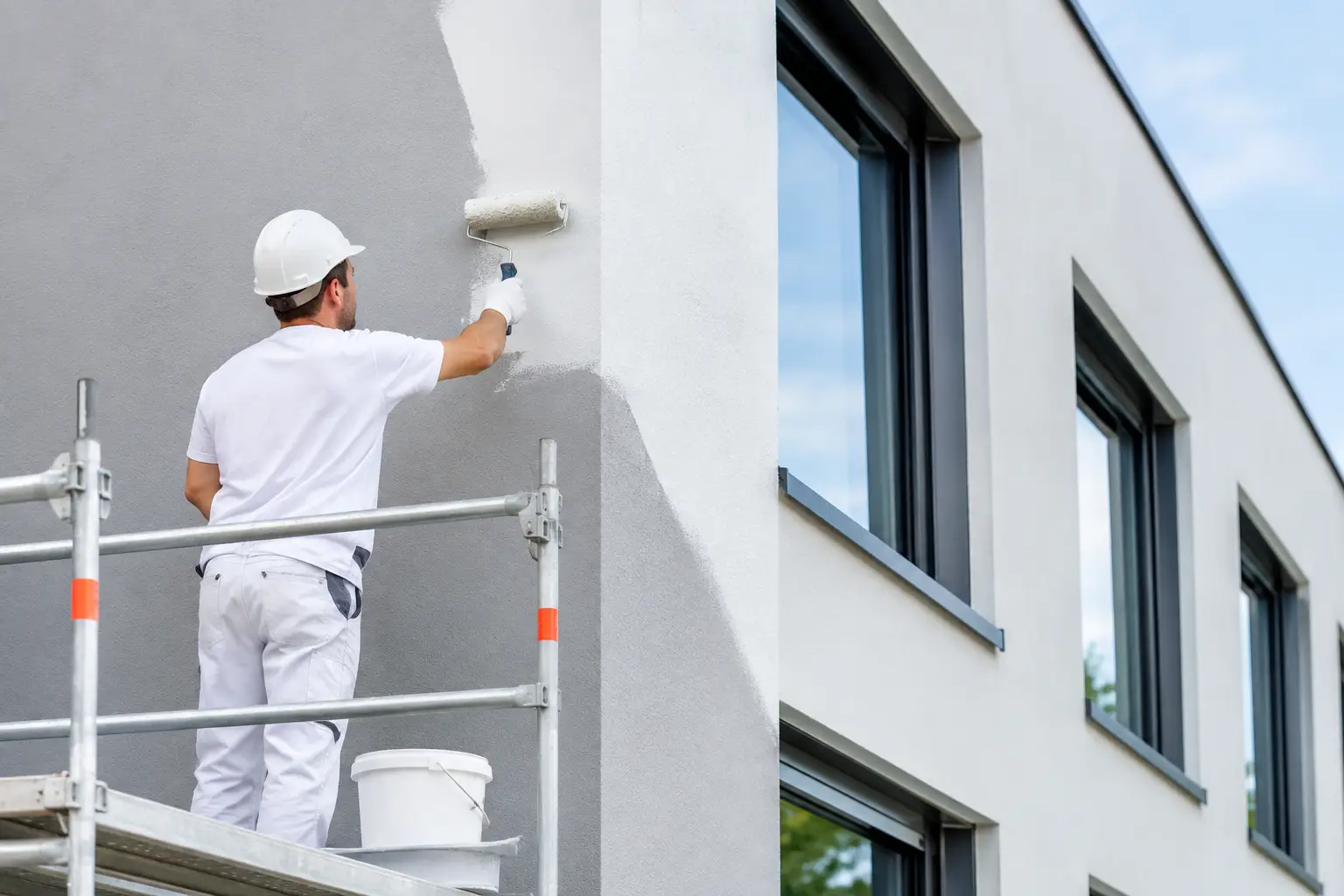
A strata repainting example is often more useful to a committee than a colour chart or a quick quote. It shows what the work actually involves: identifying the condition of the building, planning around residents, preparing surfaces properly and completing each stage without rushing the finish. For a shared property, those details affect more than appearance. They affect how well the building stands up to weather, how residents experience the work and how confidently the committee can account for the result.
Consider a representative low-rise coastal unit complex with 12 apartments, external stairways, shared entry areas, rendered walls, timber fascia boards and metal balustrades. The paintwork is faded and patchy, with some peeling around exposed elevations. There are early signs of corrosion on handrails and moisture staining below a few windows. The building does not need a complete rebuild, but it does need a considered repainting programme before small maintenance issues become larger ones.
The strata repainting example: starting with a proper assessment
The first step is not choosing a new colour. It is walking the site carefully and separating cosmetic wear from surface failure. Coastal properties around Byron Bay and the Northern Rivers can face strong sun, salt-laden air, wind-driven rain and high humidity. Different parts of the same complex can weather very differently depending on their exposure.
In this example, the inspection identifies several distinct issues. The west-facing walls have chalking paint and fading from sun exposure. Fascia boards have failed paint at joins and edges where moisture has entered. The metal handrails show surface rust in isolated areas, while the rendered walls have fine cracking that needs attention before coating.
A reliable scope of work describes these findings in plain language. It should make clear which areas will be cleaned, scraped, repaired, sealed, primed and painted. This gives the strata committee a sound basis for approval and helps avoid uncertainty once work is underway.
Planning around residents and common areas
Unlike a standalone home, a strata property remains busy throughout the project. Residents need safe access to units, letterboxes, parking and shared paths. Contractors need room for ladders, drop sheets, materials and, where needed, access equipment. Good planning is how those needs are balanced.
For this complex, the work is staged building by building rather than attempting every elevation at once. Residents receive clear notice about the order of works, likely access requirements and any short periods when balconies or walkways need to stay clear. External stairs and entry points are completed in manageable sections so safe pedestrian access can be maintained.
Weather is also part of the schedule. Exterior coatings need suitable dry conditions and adequate drying time between coats. A contractor who works to the conditions, rather than forcing a timetable, helps protect the quality of the finish. There may be occasions when a section is paused because of rain or humidity. That is not lost care or poor organisation. It is often the right decision for a durable result.
Preparation is where the long-lasting result begins
Fresh paint will not solve underlying surface problems. If loose coatings, salt residue, mildew, failing sealant or rust are simply painted over, the new work can break down well before it should. The preparation stage takes time because it determines how well each new coating bonds to the surface.
In this strata repainting example, external walls are washed to remove dirt, chalking residue and organic growth. Areas of peeling paint are scraped and sanded back to a stable edge. Fine cracks in the render are repaired with suitable flexible materials, and gaps around selected joinery are checked before sealing.
The timber fascia boards receive close attention at joints and end grain, where water can enter first. Failed coatings are removed, bare areas are spot primed and repairs are completed before the finishing coats go on. On the metal handrails, surface rust is mechanically removed, treated as required and followed by an appropriate primer system before top coats are applied.
This is also the point where small defects can be reported to the committee. A painting contractor may find deteriorated timber, movement cracks or failed sealant that need a decision before painting continues. Clear communication at this stage prevents a tidy-looking coating from concealing an issue that should have been addressed.
Selecting colours for a shared building
Colour selection is a committee decision, but it benefits from practical thinking. A scheme needs to suit the building, complement surrounding properties and remain appropriate across large surfaces. It should also work with fixed elements such as roofing, windows, paving, balustrades and entry doors.
For the example complex, the committee keeps the main wall colour light and restrained to suit the coastal setting, then uses a deeper tone on fascia boards and details to give the building definition. A darker shade on high-contact metalwork can also be practical, though very dark colours on exposed surfaces may show fading, dust or heat-related movement more readily. There is no single right answer. The best choice depends on the building’s materials, orientation and maintenance expectations.
Sample patches painted in their final locations are worth the effort. Colour can look quite different in bright afternoon sun, shade beneath balconies and under exterior lighting. Viewing samples at different times of day helps the committee make a decision with fewer surprises.
What the work looks like on site
Once preparation and colour approvals are complete, the painting proceeds in a logical sequence. High areas and upper elevations are generally completed before lower sections, reducing the chance of disturbing finished work. Detail areas such as trims, fascia boards, balustrades and entry features are approached carefully, with attention to clean lines and even coverage.
Protection remains in place throughout the project. Paths, windows, gardens, vehicles and shared surfaces need to be covered or managed appropriately. At the end of each day, the work area should be left orderly, with access routes clear and materials secured. For residents, this everyday care is often as noticeable as the final colour.
The committee or strata manager should have a clear contact point for updates. In this example, progress is communicated at the completion of each main stage: washing and repairs, priming, first coats and final coats. If access, weather or an unexpected substrate issue changes the sequence, the committee is told promptly rather than left to discover it later.
Final checks matter as much as the first coat
When the main painting is complete, a final inspection checks coverage, consistency, cut-in lines, repaired areas and detail work. Touch-ups are completed where needed, and protective coverings are removed carefully. The goal is not simply a building that looks freshly painted from the street. It is a consistent finish across the areas residents see and use every day.
For a strata committee, the completed project should leave useful records behind. Keeping notes on the coatings used, colours selected, areas repaired and the date of completion makes future maintenance easier to plan. It also helps the next committee understand what has been done and where attention may be needed later.
A repaint does not remove the need for ongoing care. Regular washing of exposed surfaces, early attention to cracked sealant and prompt treatment of rust spots or water damage can extend the life of the work. Small maintenance tasks are usually simpler when they are dealt with before coating failure spreads.
Choosing the right approach for your complex
Every complex has its own access, resident needs and surface conditions. A smaller block may be straightforward to stage, while a larger site with multiple buildings, enclosed courtyards or difficult elevations needs more detailed coordination. The common requirement is a contractor who takes the time to inspect properly, explain the scope clearly and prepare every surface with care.
North Coast Painting Services brings a hands-on, unhurried approach to strata painting across the Northern Rivers. For committees and body corporate managers, that means dependable communication, respectful work around residents and finishes built to protect the property rather than simply freshen it up. A well-planned repaint gives everyone a building they can feel proud to come home to, while helping protect the shared asset for the years ahead.